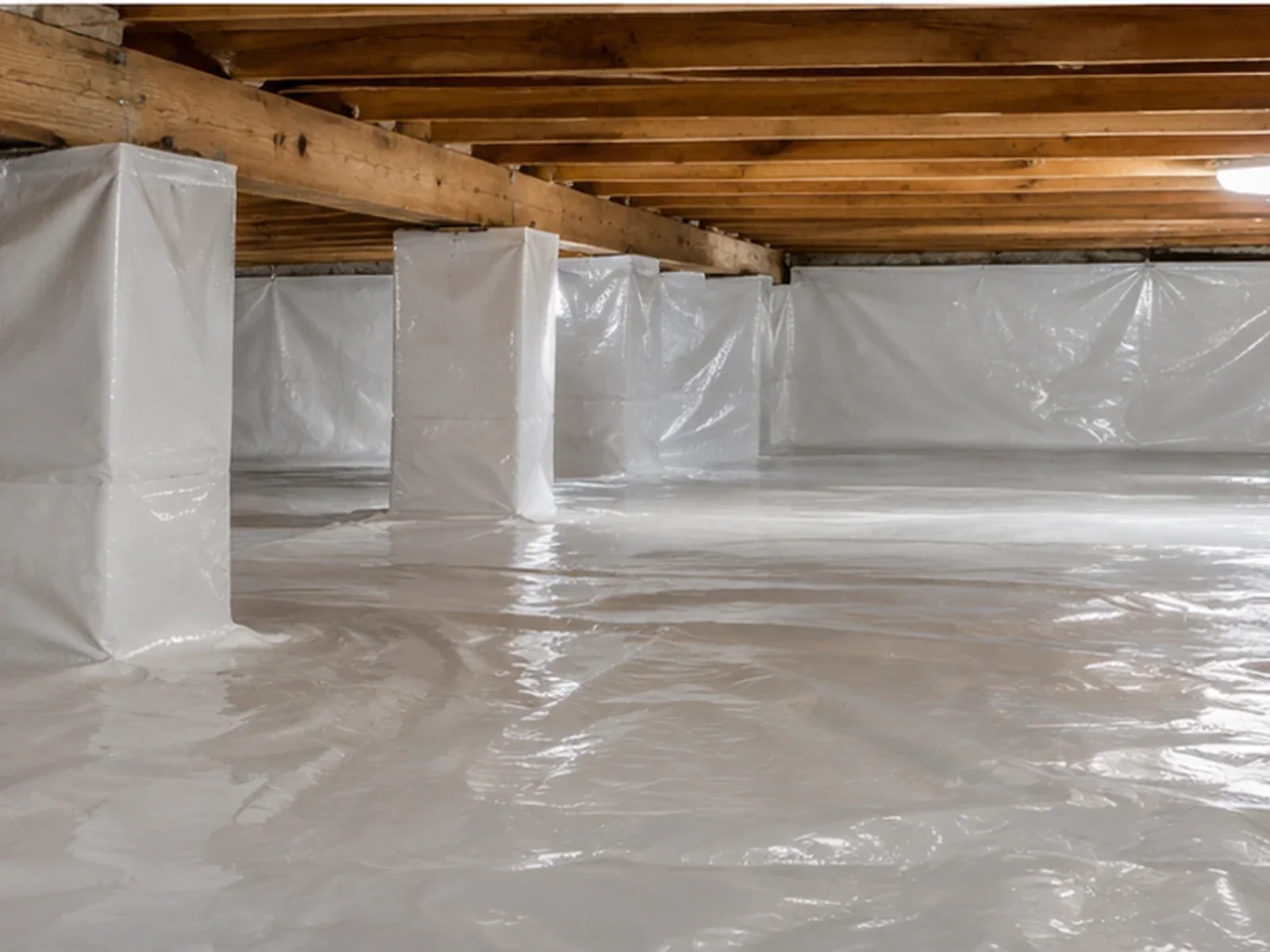
- Crawl Space Encapsulation
- Nov 18, 2026
- 6 min read
Crawl space encapsulation in Columbus costs about $5,250 on average, according to Angi, with Columbus projects ranging from roughly $4,800 to $14,300. Nationally, the average is about $5,500 and the range runs from $1,500 to $20,000. This guide shows what the money buys, what pushes a quote up, and how to compare bids.
How much does crawl space encapsulation cost in Columbus?
Angi puts the average for Columbus at $5,253, with total costs ranging from $4,775 to $14,325. Larger crawl spaces cost more, and the materials you choose change the total.
Nationally, Angi lists an average of $5,500, a typical range of $5,000 to $15,000, and an overall low-to-high span of $1,500 to $20,000. This Old House reports an average of about $5,500 and a typical range of $1,500 to $15,000. The sources do not agree on every number, so treat all of them as ranges.
HomeAdvisor reports a Columbus average of $6,662 for foundation, basement, and crawl space waterproofing and encapsulation combined, with a typical range of $2,878 to $10,530. That figure mixes several services, so it is a loose check and not a crawl space price.
We did not find a government or industry survey of Columbus encapsulation prices. The figures here come from cost guides, and the real number for your house is a written quote after someone has looked in the crawl space.
How does the price change with crawl space size?
Price rises with square footage, and basic jobs fall at the low end of the per-square-foot range. Angi lists basic encapsulation at $2 to $4 per square foot and more extensive work at $3 to $10. This Old House gives $3 to $7 for a basic project, up to $10 for crawl spaces with extensive moisture problems.
- 1,000 square feet: $5,000 to $7,000 per Angi, and $3,000 to $7,000 per This Old House
- 2,000 square feet: $8,000 to $12,000 per Angi
- 4,000 square feet: $15,000 to $20,000 per Angi
Most Columbus crawl spaces are smaller than that. They sit under ranches, additions, and older houses, and many cover a few hundred square feet. Measure yours before you compare quotes. A quote that does not state the square footage makes it hard to check the price per square foot.
What do the materials cost?
Materials are 30% to 50% of the total, and labor is 50% to 70%, according to both Angi and This Old House. The plastic liner is the cheapest part per square foot, and the dehumidifier is usually the biggest single item. At those shares, a job near Angi’s $5,253 Columbus average would put roughly $2,600 to $3,700 into labor, by simple arithmetic.
- Vapor barrier, 20-mil: $0.50 to $0.70 per square foot per Angi; $0.40 to $0.60 per This Old House
- Thin 4-mil sheeting: $0.05 to $0.20 per square foot, though This Old House’s expert recommends at least 6-mil
- Seam tape: about $18 to $50 per roll
- Dehumidifier: $800 to $1,200 per Angi; $800 to $2,000 installed per This Old House
- Vent covers: $10 to $22 per vent; an access door runs $60 to $150
- Insulation: fiberglass batts $0.60 to $1.10, spray foam $1.00 to $3.50, rigid foam board $2.50 to $3.00 per square foot per This Old House
- Ductwork: $450 to $2,000 per Angi, if the plan conditions the space with supply air
Spray foam prices differ between sources, since Angi lists $0.50 to $1.50 per square foot. Ask any contractor to name the product, the thickness, and the coverage so you are comparing the same job.
What drives the price up?
Condition drives the price more than size. A clean, dry crawl space with good access prices near the bottom of the range, and a wet, cramped, or damaged one prices at the top.
- Size and access: low clearance, narrow openings, and long crawls add labor
- Moisture: standing water, a high water table, or leaks mean drainage work before the liner goes in
- Condition: old insulation, debris, mold, or pests need cleanup first
- Scope: a liner only costs less than a full system with insulation and a dehumidifier
- Equipment: a larger dehumidifier, a drain pump, or ductwork adds cost
- Foundation: damaged walls, joists, or posts need repair before sealing
Angi names the same factors: size, condition, foundation waterproofing needs, insulation and vapor barrier choices, dehumidifier and sump pump installation, contractor experience, and local permit requirements. If a quote does not mention any of them, ask why.
What extra work can add to a crawl space quote?
Cleanup, repairs, and drainage are the add-ons that move totals the most. They are not always needed, but the ones that are needed can add thousands to a basic quote.
- Cleaning: $500 to $4,000 per Angi
- Mold remediation: $500 to $4,000 per This Old House
- Drainage or sump system: $600 to $1,800 per This Old House
- Moderate foundation repair: $2,000 to $7,000 per This Old House
- Repairs: $1,500 to $15,000 per Angi
- Pest treatment: as little as $200 for a small infestation, and termite damage up to $4,000 per This Old House
- Asbestos removal, if present: $1,800 to $2,800 per This Old House
Water has to be dealt with first. A liner stops moisture rising out of the soil, but it does not stop water from entering through a wall or collecting after a storm. Columbus averages about 39.31 inches of rain a year, so a crawl space that floods needs drainage before any plastic goes down. Our interior drainage, sump pump installation, and exterior basement waterproofing pages cover those options.
Do permits and codes affect the cost?
Permits and inspections typically add $100 to $250, according to Angi and This Old House. Ask your contractor whether the work needs a permit in your city or township, and who pulls it.
Building codes allow sealed crawl spaces. The International Residential Code, section R408.3, allows an unvented crawl space when exposed earth is covered with a continuous vapor retarder, seams overlap by 6 inches and are sealed or taped, and the edges run at least 6 inches up the stem wall. The code lists further conditions, such as conditioning the space or venting it to the home. Ohio uses its own Residential Code, so confirm the local rule before you decide on vent sealing.
A contractor who skips the permit question may leave you with unpermitted work, so get the answer in writing before you sign.
How do you compare crawl space quotes?
Compare the same scope. Sealing and encapsulation are not the same job, and a quote for one can look much cheaper than a quote for the other.
- Square footage, so you can check the price per square foot
- Liner thickness and where it runs, whether floor only or up the walls
- Seam tape, wall fastening, and vent sealing
- Dehumidifier model, capacity, and drain method
- Insulation type and thickness, if any
- What happens if water or mold turns up, and who decides
- Permit, inspection, and warranty terms in writing
Get at least three estimates, as This Old House advises. If one bid is far lower than the rest, check what it leaves out. A low price often means a thin liner, no dehumidifier, or no allowance for cleanup.
Can you save money without cutting corners?
Yes, by handling the prep yourself and fixing the water source first. This Old House suggests doing the cleaning and prep yourself unless toxic materials are involved, and asking about package deals with other home projects.
- Clean out loose debris yourself if the space is safe to enter and nothing hazardous is present
- Fix gutters, downspouts, and grading first, so less water reaches the crawl space
- Check humidity with a $10 to $30 hygrometer so you know the starting point, aiming below 60% per EPA guidance
- Combine crawl space work with other foundation or drainage work for one mobilization
- Avoid the thinnest liner; a cheap sheet that tears saves nothing
Do not skip the dehumidifier or the drainage plan to hit a number. A sealed crawl space that stays humid leaves the moisture trapped inside. If you want to see the process for our own work, the crawl space encapsulation page explains each step, and a written quote will name the cause of the moisture before it names a product. For a written quote on your crawl space, contact our Columbus basement waterproofing team, and see what humidity level a Columbus basement should stay under for how humidity ties into it.
Costs: Angi (Columbus and national) and This Old House. Humidity target: EPA. Code: International Residential Code R408.3. Figures are not quotes.
Share this article :